Interactive bird finder
Backyard bird finder: what birds are in my area?
What birds are in my area right now? Pick your state and a month and this backyard bird finder sorts about a hundred common backyard species into year-round residents, seasonal visitors, and birds just passing through on migration.
It uses the same state-by-state seasonality model as the Birds by Location pages, which are checked against eBird records reported 2020–2024 6; species accounts link to the profiles built from the Cornell Lab's All About Birds 8.
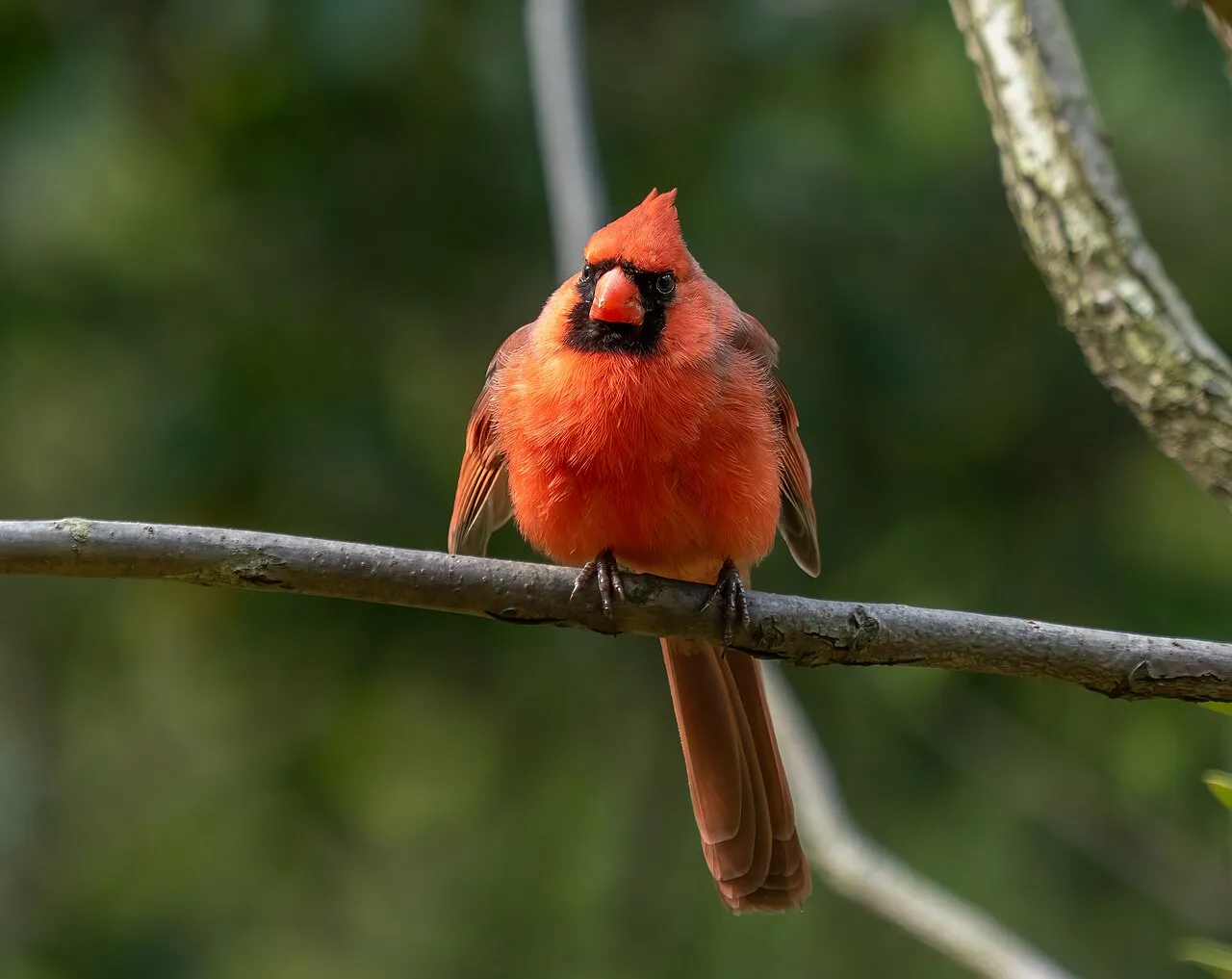
About a hundred common backyard species, sorted into year-round residents, seasonal visitors and migrants for the month you pick.
How the backyard bird finder decides who is in your area
Each state is assigned a region (East, Central, Mountain, Southwest, Pacific, Alaska, Hawaii) and a winter-climate band, and each bird has a pattern in each region: resident, summer visitor, winter visitor, migrant, or absent, with state-level exceptions at range edges. Summer visitors arrive earlier and leave later in warm states, and early-spring migrants such as robins, bluebirds and blackbirds arrive a month or two ahead of the rest.
The result is a planning list, not a guarantee: local habitat, elevation and weather decide what visits your yard. For ranked, month-by-month eBird data, open your state's page in Birds by Location 6.
Turn the list into visits
Once you know which birds are around, feed for them: black-oil sunflower for cardinals, chickadees, finches and sparrows; nyjer for goldfinches and siskins; suet for woodpeckers and nuthatches; millet on a low tray for juncos and sparrows; nectar for hummingbirds and orioles 1. A shallow bath with moving water draws species that never visit a feeder 1.
More bird feeding tools
Frequently asked questions
How do I find out what birds are in my area?
Pick your state and month above for a quick list; for counts from real checklists, see your state's Birds by Location page, built from eBird records 6.
Why is a bird I see not on the list?
The finder covers about a hundred common backyard species and uses statewide patterns, so local specialties, rarities and range-edge birds may be missing.
Sources
- Project FeederWatch (Cornell Lab of Ornithology) — Feeding Birds: feeders, foods, water, placement, cleaning and safety
- EOD – eBird Observation Dataset, Cornell Lab of Ornithology, via GBIF.org (CC BY 4.0); state records 2020–2024
- All About Birds (Cornell Lab of Ornithology) — Bird Guide species accounts