Guide index
Bird attraction guides, one situation at a time
These bird attraction guides each take one situation — a feeder that stays empty, a balcony with no yard, a winter garden, one species you want — and answer it with the four things every bird needs: food, water, cover and a place to nest. The complete beginner method is on the home page; this hub is the index of the guides.
The guides below draw on Project FeederWatch for feeders, foods and water 1, All About Birds for window safety 2, and Audubon's yard-habitat guidance for plants and layers 3.
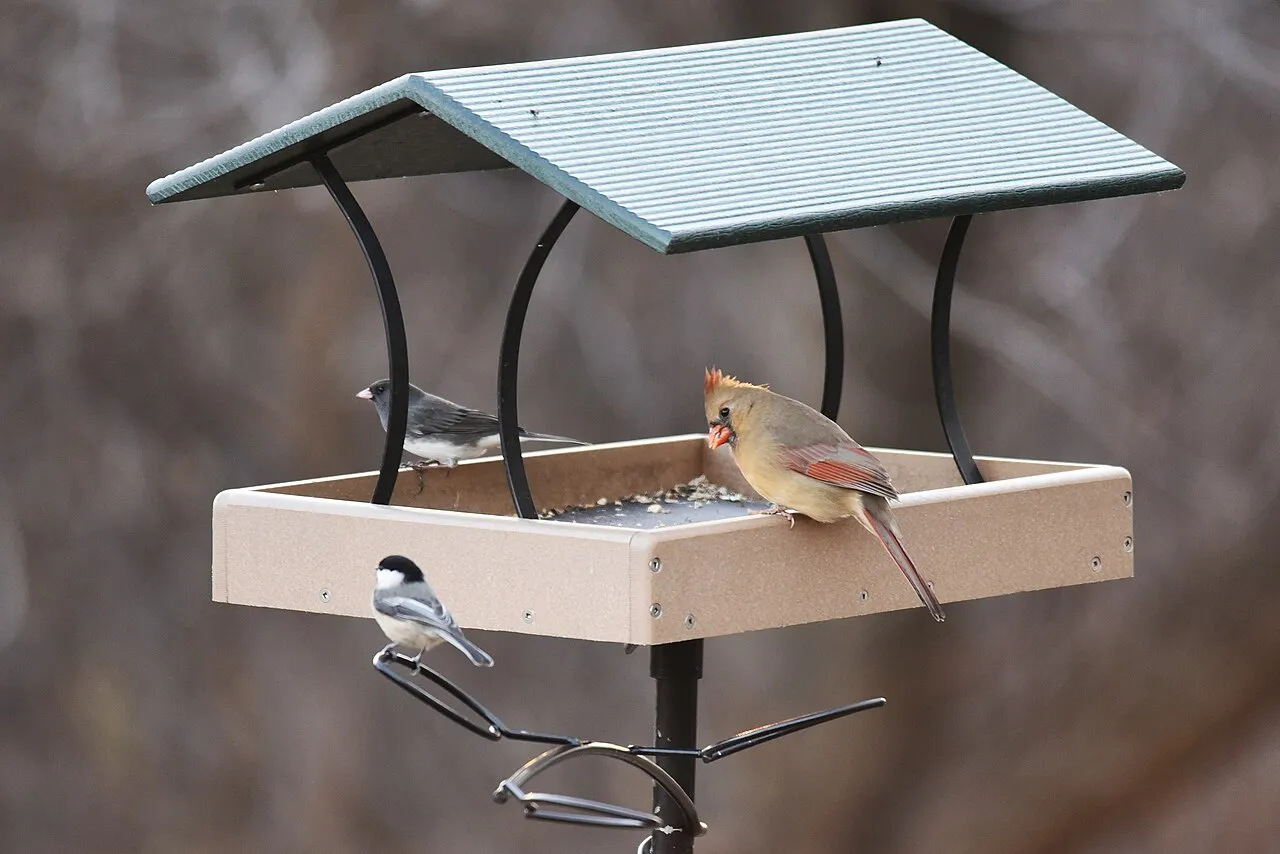
Guides for attracting birds with food and water
Black-oil sunflower is the preferred food item for a wide variety of birds and a favorite of cardinals, chickadees, finches and sparrows; nyjer draws goldfinches, siskins and redpolls; millet and cracked corn feed the ground birds; suet brings the insect-eaters 1. Large hoppers attract most species, tubes with short perches keep to small birds, and trays near the ground draw juncos, doves and sparrows 1 — see the guide to attracting birds to a new feeder.
Because birds need water for drinking and bathing, they are attracted to water just as they are to feeders; a dish or shallow pan works, birds seem to prefer baths at ground level, and dripping water is one of the best ways to make a bath more attractive 1. The bird-bath guide covers depth, placement and the every-couple-of-days water change.
Guides for attracting birds with cover, plants and nest sites
Nothing provides an easier or more dependable food supply than birdscaping the yard with native vegetation, and because habitat loss is the leading cause of decline for many species, planting natives is one of the best ways to support local birds 1. Audubon's plan is habitat layers — canopy trees for nuts and cavities, shrubs for fruit and nests, herbaceous plants for seed, and leaf litter for the insects birds eat — with fruit staggered through the seasons: serviceberry and cherry in summer, dogwood and spicebush for fall migrants, cedar and holly for winter 3.
A well-built nest box adds the fourth need for cavity nesters; the birdhouse guide follows NestWatch's checklist. And if you have no yard, the balcony guide shows what a container garden and a window feeder can do — Audubon notes even very small patches of habitat give tired, hungry birds what they need during migration 3.
Species guides: attracting one bird at a time
Species guides on this site cover goldfinches, cardinals, chickadees, ruby-throated hummingbirds, Baltimore orioles and bluebirds, each built from the Cornell Lab's backyard tips for that species and the eBird records that show where it actually occurs. The links at the foot of this page reach every guide.
Keep the birds you attract safe: windows, cats, clean feeders
Window collisions kill perhaps a billion or more birds a year in North America, and far more die at homes and low-rise buildings than at high-rises simply because there are so many of them 2. Older rules about safe feeder-to-window distances are no longer thought valid; the fix is to make the glass visible — markings spaced no more than 2 inches apart on the outside, exterior screens, or hanging cords 12.
Cats are the most numerous pet in North America and kill hundreds of millions of birds each year; ground-feeding birds, ground-nesting birds and fledglings are at greatest risk, and feeder birds are easy prey, so FeederWatch strongly recommends keeping cats indoors 1. Clean seed and suet feeders every week or two — more often in heavy use or wet weather — with warm water and dish soap, since leftover seed and hulls harbor pathogens 1.
More attraction guides
Plan your next step
Frequently asked questions
Which bird attraction guide should I start with?
If you have a yard, the yard guide; if you have a feeder nobody visits, the new-feeder guide; if you have only a balcony, the balcony guide — each is a complete method for that situation.
What is the fastest way to attract birds?
A feeder of black-oil sunflower placed about ten feet from cover, plus a shallow bird bath — the two resources FeederWatch says draw birds most reliably 1.