West · Pacific Flyway
Herons in Arizona
Herons in Arizona come down to 10 species with regular eBird records, led by the Great Blue Heron. Together they account for 357,344 of the 20 million eBird records from 2020–2024 — 1.8% of everything reported in the state.
The full list: Great Blue Heron, Great Egret, Green Heron, Snowy Egret, Black-crowned Night Heron, Cattle Egret, American Bittern, Tricolored Heron, Yellow-crowned Night Heron and Reddish Egret. Herons, egrets, and bitterns are the long-legged wading birds that stalk fish and frogs in shallow water. The large species are conspicuous year-round in the South; farther north, most arrive in spring and leave when the water freezes.
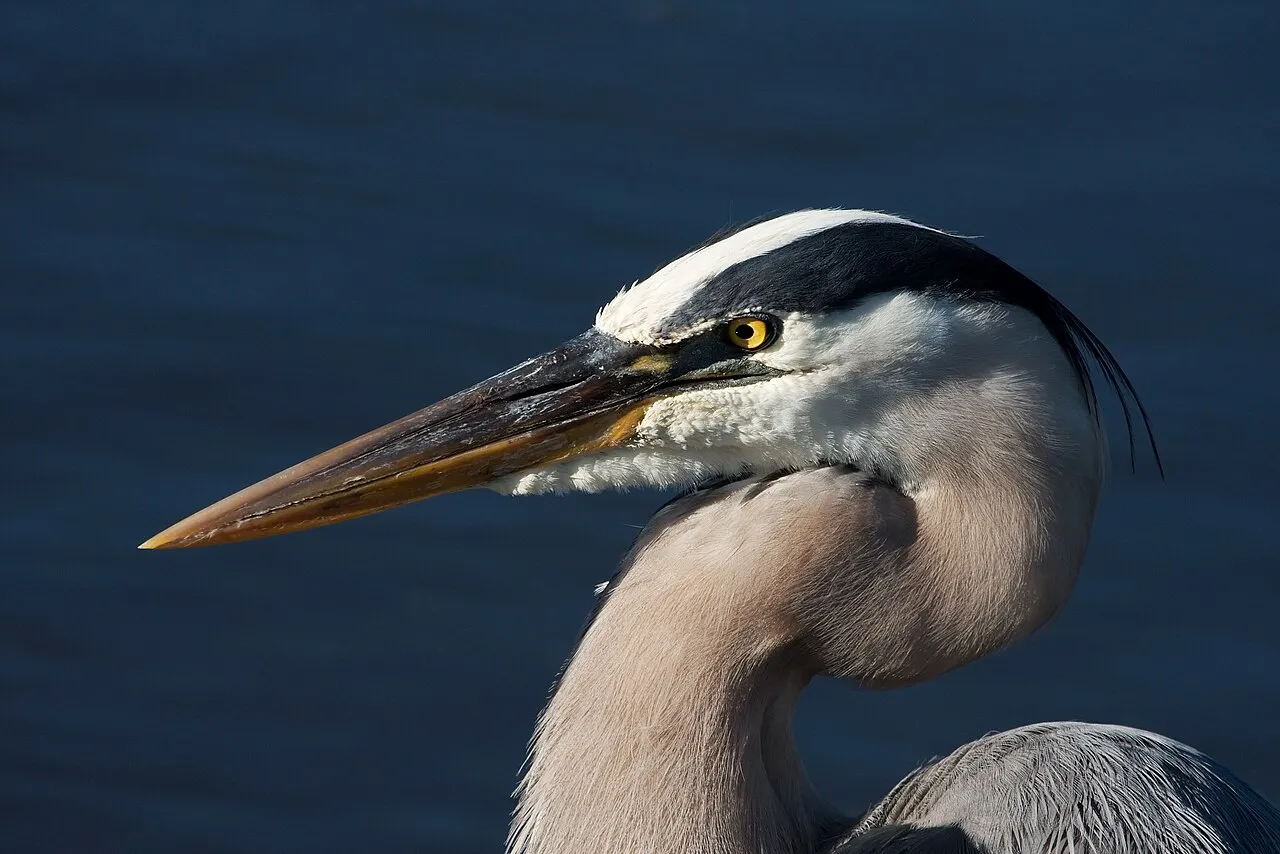
Herons in Arizona: every species, most-reported first
Every heron with at least 25 eBird records in the state from 2020–2024, most-reported first. The status label is derived from each species’ own monthly share of all state records.
1. Great Blue Heron (Ardea herodias) — 126,692 records, 0.6% of the state’s eBird total; a year-round resident, reported in every month.
2. Great Egret (Ardea alba) — 80,943 records, 0.4% of the state’s eBird total; a winter visitor, present mainly from September to April and peaking in November.
3. Green Heron (Butorides virescens) — 49,889 records, 0.2% of the state’s eBird total; a year-round resident, reported in every month.
4. Snowy Egret (Egretta thula) — 47,555 records, 0.2% of the state’s eBird total; a year-round resident, reported in every month.
5. Black-crowned Night Heron (Nycticorax nycticorax) — 45,799 records, 0.2% of the state’s eBird total; a year-round resident, reported in every month.
6. Cattle Egret (Bubulcus ibis) — 4,474 records, 0.02% of the state’s eBird total; a year-round resident, reported in every month.
7. American Bittern (Botaurus lentiginosus) — 1,223 records, 0.01% of the state’s eBird total; a passage migrant, reported mainly in January, February, March and April with a peak in January.
8. Tricolored Heron (Egretta tricolor) — 343 records, 0.00% of the state’s eBird total; a passage migrant, reported mainly in June and August with a peak in August.
9. Yellow-crowned Night Heron (Nyctanassa violacea) — 222 records, 0.00% of the state’s eBird total; a passage migrant, reported mainly in November with a peak in November.
10. Reddish Egret (Egretta rufescens) — 204 records, 0.00% of the state’s eBird total; a passage migrant, reported mainly in July and September with a peak in September.
When to see herons in Arizona
Adding up every species’ share of state eBird records month by month, herons are most prominent in November, January and December and least in May and April. 5 of the 10 species are year-round — Great Blue Heron, Green Heron, Snowy Egret, Black-crowned Night Heron and Cattle Egret — so there is no month without them.
Winter visitors. Great Egret arrives around September and leaves after April (peak November).
Passage migrants. American Bittern is reported mainly in January, February, March and April; Tricolored Heron is reported mainly in June and August; Yellow-crowned Night Heron is reported mainly in November; Reddish Egret is reported mainly in July and September.
Attracting herons to Arizona backyards
A garden pond with fish will attract the Great Blue Heron whether you want it or not. Otherwise, herons are birds of marshes, lakeshores, and estuaries — look for them at dawn and dusk when they feed most actively.
In Arizona the heron most likely to turn up is the Great Blue Heron, a year-round resident, followed by the Green Heron.
Herons in Arizona: FAQ
How many species of herons are there in Arizona?
10 species of herons have regular eBird records in Arizona (at least 25 records in 2020–2024): Great Blue Heron, Great Egret, Green Heron, Snowy Egret, Black-crowned Night Heron, Cattle Egret, American Bittern, Tricolored Heron, Yellow-crowned Night Heron and Reddish Egret.
What is the most common heron in Arizona?
The Great Blue Heron, with 126,692 eBird records in 2020–2024, followed by the Great Egret with 80,943. It is a year-round resident, reported in every month.
When is the best time to see herons in Arizona?
November, January and December, when the combined share of Arizona eBird records belonging to herons is highest. Winter visitors such as the Great Egret arrive around September.
More birds in Arizona
Herons in other states
Herons in Arizona: sources
Every number on this page comes from the EOD – eBird Observation Dataset published by the Cornell Lab of Ornithology and distributed through GBIF under a CC BY 4.0 license: Arizona records from 2020–2024, retrieved 2026-09-18. Species are drawn from the families Ardeidae; only species with at least 25 records are listed, and a species is called a year-round resident when its monthly share of state records stays above 30% of its own peak in ten or more months. “Records” are individual eBird observations, so they reflect how often birders report a species, not a population count.