How to attract · guide
How to Attract Birds That Eat Yard Pests
How to attract birds that eat yard pests starts with a number from Audubon: 96 percent of land birds rely on insects to feed their chicks 3. The birds are already hunting; the job is to give them cover, water, dead wood and a pesticide-free yard.
Diets below are from All About Birds species accounts 4567 and Audubon's field guide 8; habitat advice is Audubon's 3; feeders and safety from FeederWatch and All About Birds 12.
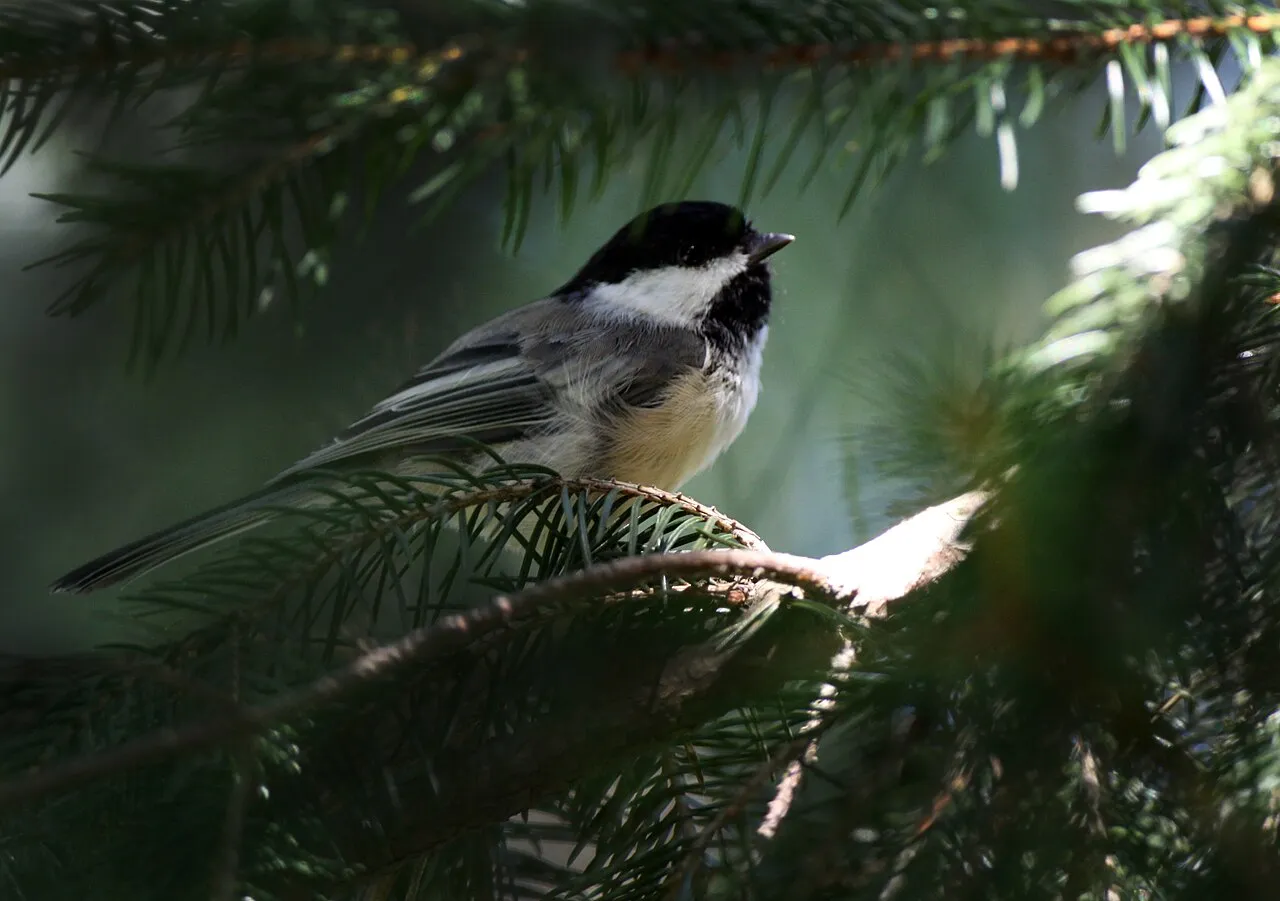
The birds that eat yard pests, and the pests they take
Black-capped Chickadees eat 80–90 percent insects and spiders outside winter 4. Tufted Titmice eat caterpillars, beetles, ants, wasps, stink bugs and treehoppers in summer 5. Downy Woodpeckers eat beetle larvae in wood and bark, ants and caterpillars, including pest species — corn earworm, tent caterpillars, bark beetles and apple borers — and in late summer hammer goldenrod galls for the larva inside 6. American Robins take earthworms, insects and snails from lawns 7. Eastern Bluebirds feed on crickets, grasshoppers, beetles and many other insects, dropping from a low perch to the ground 8.
How to attract birds that eat yard pests: habitat, not bait
Lay off the pesticides — a bird-friendly garden is a bug-friendly garden, and a diversity of native plants attracts the birds, frogs, bats and predatory insects that keep plant-eating bugs in check 3. Robins in particular are vulnerable to pesticide poisoning because they forage on lawns 7. Plant the natives that host caterpillars — oaks, willows, birches, maples, goldenrod, milkweed, sunflowers 3 — and leave fallen leaves, which shelter the moth pupae baby birds eat, and dead trees and branches for cavity nesters 3.
Add perches and water: bluebirds hunt from low perches over open ground 8, and a bird bath with a dripper draws every insect-eater on the list 1. Suet is the feeder food for insect-eating birds 1 and holds chickadees, titmice and woodpeckers through winter so they are on site when the caterpillars hatch.
Keep the birds you attract safe: windows, cats, clean feeders
Window collisions kill perhaps a billion or more birds a year in North America, and far more die at homes and low-rise buildings than at high-rises simply because there are so many of them 2. Older rules about safe feeder-to-window distances are no longer thought valid; the fix is to make the glass visible — markings spaced no more than 2 inches apart on the outside, exterior screens, or hanging cords 12.
Cats are the most numerous pet in North America and kill hundreds of millions of birds each year; ground-feeding birds, ground-nesting birds and fledglings are at greatest risk, and feeder birds are easy prey, so FeederWatch strongly recommends keeping cats indoors 1. Clean seed and suet feeders every week or two — more often in heavy use or wet weather — with warm water and dish soap, since leftover seed and hulls harbor pathogens 1.
More attraction guides
Frequently asked questions
Sources
- Project FeederWatch (Cornell Lab of Ornithology) — Feeding Birds: feeders, foods, water, placement, cleaning and safety
- All About Birds (Cornell Lab of Ornithology) — Why Birds Hit Windows, and How You Can Help Prevent It
- National Audubon Society — How to Make Your Yard Bird-Friendly
- All About Birds (Cornell Lab of Ornithology) — Black-capped Chickadee: Overview and Life History
- All About Birds (Cornell Lab of Ornithology) — Tufted Titmouse: Overview and Life History
- All About Birds (Cornell Lab of Ornithology) — Downy Woodpecker: Overview and Life History
- All About Birds (Cornell Lab of Ornithology) — American Robin: Overview and Life History
- National Audubon Society — Guide to North American Birds: Eastern Bluebird