How to attract · guide
How to Attract Birds to Your Yard
How to attract birds to your yard is a habitat question before it is a feeder question: Audubon's guidance is to think of the garden as habitat that provides food, shelter and nesting sites through the whole year 3.
This guide follows Audubon's five steps 3, FeederWatch's feeder and water advice 1, and All About Birds on windows 2.
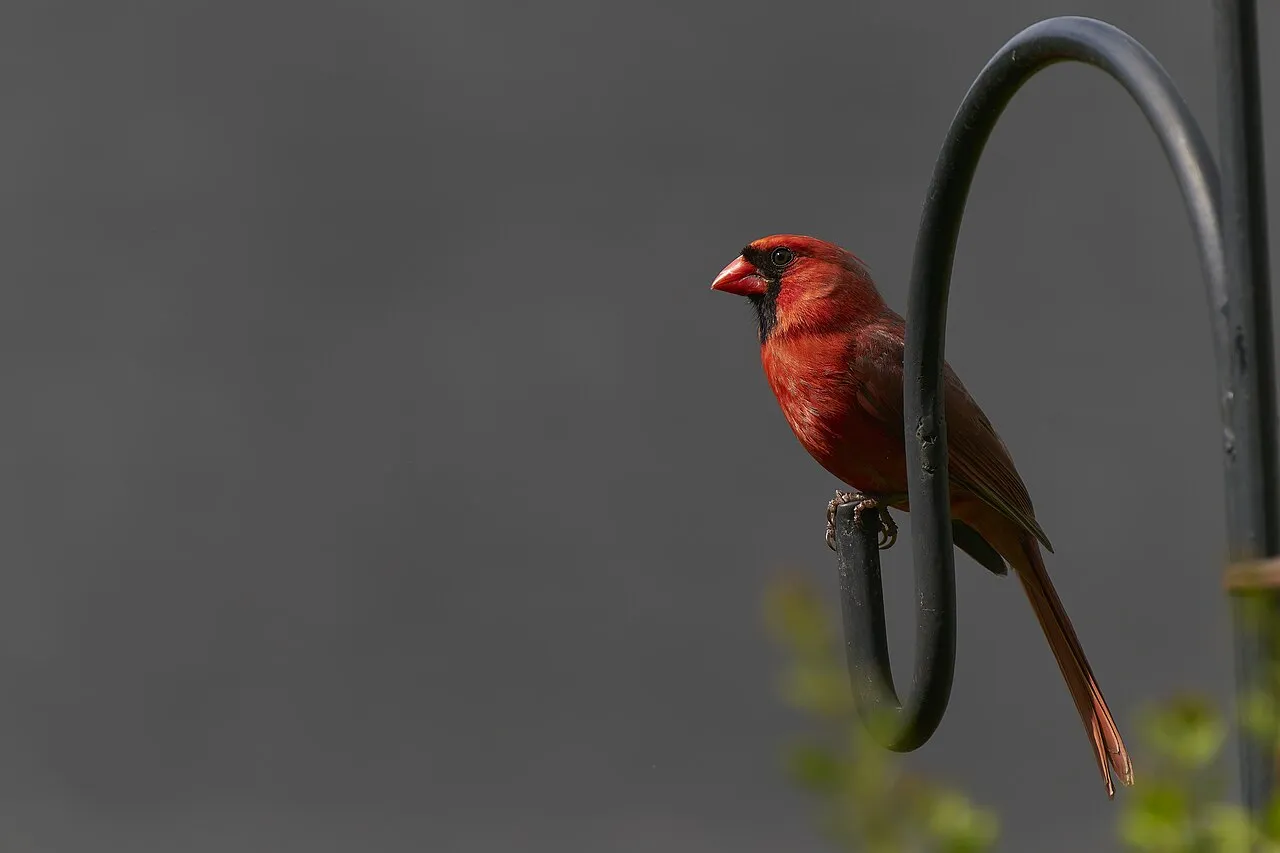
How to attract birds to your yard with native plants in layers
Choose locally native plants, which brim with the insects, berries, nectar and seeds birds need 3. Audubon groups them by food: native trees such as oaks, willows, birches and maples and herbaceous plants like goldenrod, milkweed and sunflowers host the caterpillars that feed nestlings; serviceberry and cherry fruit in summer, dogwood and spicebush for southbound migrants, cedar and holly through winter; oaks, hickories and walnuts give nuts birds cache; native sunflowers, asters and coneflowers give finch and sparrow seed; red tubular columbine, penstemon and honeysuckle give hummingbird nectar 3.
Then build layers as a natural habitat has them: large canopy trees for nuts, cavities and roosts; shrubs and small trees for fruit and songbird nests; perennials, annuals and groundcovers for seed; and decaying leaves and wood at the base, home to the invertebrates birds eat, including the pupae of most moth caterpillars 3. Lose some lawn — larger patches of habitat with lawn pathways — and cluster five or more of one species together 3.
Attract birds to your yard with water, feeders and messy corners
Water is a resource birds need year-round; a bird bath, a hollowed boulder that catches rain, or a drip or fountain — the sound of running water is particularly attractive and may bring birds flocking during migration 3. Change bath water every day to keep it fresh, and add stones or branches in a ground-level bath so birds can drink without getting wet 1.
Place feeders in a quiet area near natural cover such as trees or shrubs — evergreens are ideal — but about ten feet from strong branches that squirrels and cats can jump from, and stack a loose brush pile nearby as escape cover for ground birds 1. Then do not be too neat: leave fallen leaves as mulch and insect habitat, leave seed heads standing through fall and winter, leave dead trees and branches where safe for cavity nesters, and lay off pesticides — a bird-friendly garden is a bug-friendly garden 3.
Keep the birds you attract safe: windows, cats, clean feeders
Window collisions kill perhaps a billion or more birds a year in North America, and far more die at homes and low-rise buildings than at high-rises simply because there are so many of them 2. Older rules about safe feeder-to-window distances are no longer thought valid; the fix is to make the glass visible — markings spaced no more than 2 inches apart on the outside, exterior screens, or hanging cords 12.
Cats are the most numerous pet in North America and kill hundreds of millions of birds each year; ground-feeding birds, ground-nesting birds and fledglings are at greatest risk, and feeder birds are easy prey, so FeederWatch strongly recommends keeping cats indoors 1. Clean seed and suet feeders every week or two — more often in heavy use or wet weather — with warm water and dish soap, since leftover seed and hulls harbor pathogens 1.
More attraction guides
Frequently asked questions
What attracts birds to a yard the most?
Native plants that supply insects, fruit, seed and nectar in layers, plus water and cover; feeders speed things up but habitat keeps birds 13.
Should I rake leaves if I want birds?
No — Audubon advises leaving fallen leaves and woody debris as a habitat layer that holds the insects and moth pupae baby birds eat 3.