How to attract · guide
Bird Calls to Attract Birds
Bird calls to attract birds do work — a recorded song tells a territorial male an intruder has arrived and he comes to see it off — which is exactly why birding ethics treat playback as something to limit rather than a backyard tool.
The ethics below are the American Birding Association's code 4; the alternative sounds and setups are from Project FeederWatch 1 and Audubon 3; window safety is from All About Birds 2.
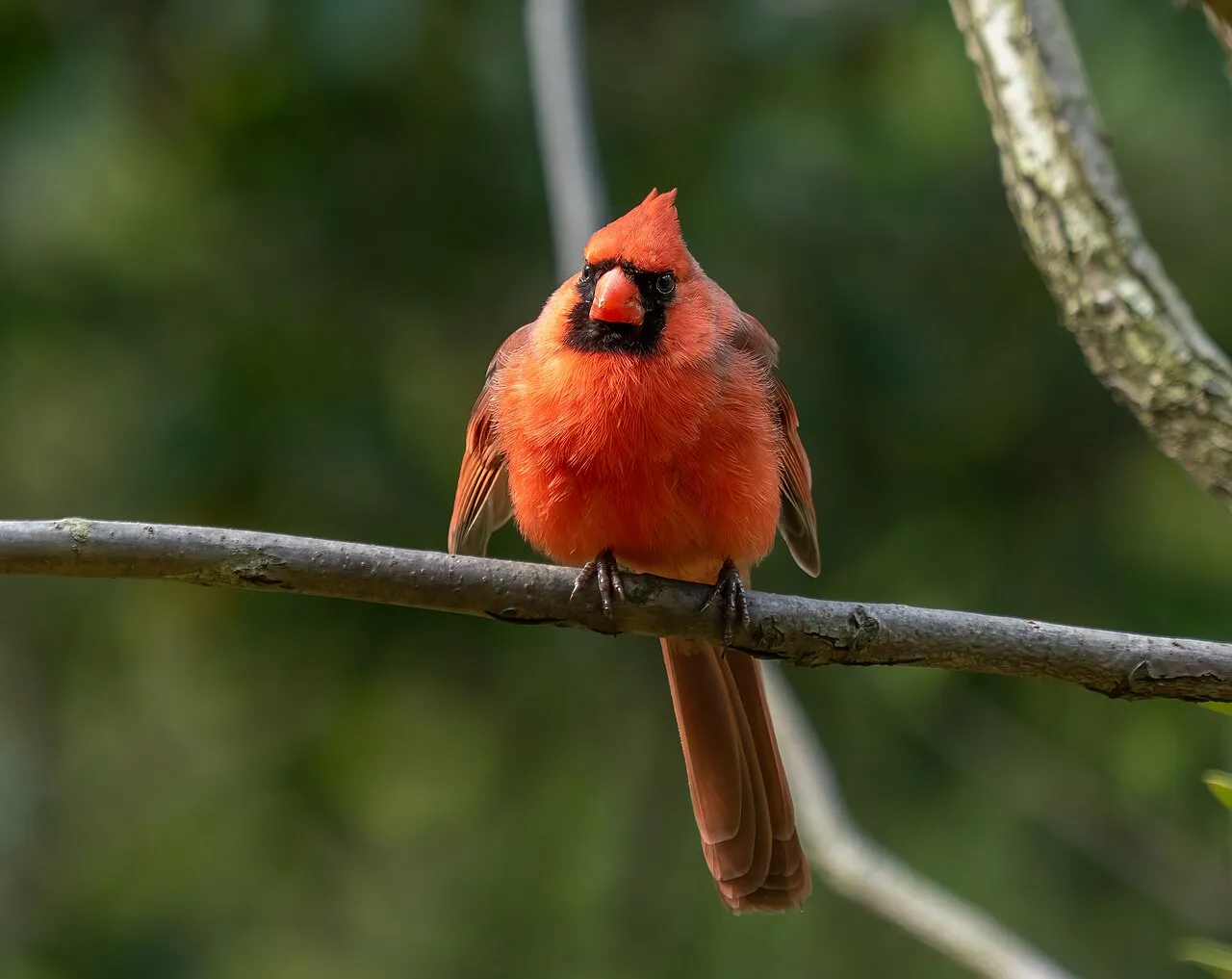
Bird calls to attract birds: what the ABA code says
The ABA Code of Birding Ethics asks birders to avoid stressing birds or exposing them to danger, to be particularly cautious around active nests, roosts, display sites and feeding sites, and to limit the use of recordings and other audio methods of attracting birds — particularly in heavily birded areas, for species that are rare in the area, and for species that are threatened or endangered 4. It also asks birders to know and follow local regulations, including those on the use of audio or food lures, which some parks and refuges prohibit 4.
Practically, a bird that answers playback is defending a territory or a mate; every minute it spends chasing a phantom rival is a minute not feeding young. In a backyard the birds you want are the ones already nearby, and repeated playback in the same spot risks driving them off rather than settling them in.
Bird sounds that attract birds without stressing them
The sound that reliably attracts birds is water. FeederWatch says one of the best ways to make a bird bath more attractive is to provide dripping water — a dripper, a sprayer, or a bucket with a pinhole hung above the bath 1 — and Audubon notes the sound of running water is particularly attractive to birds and may bring them flocking during migration 3.
The second is other birds: feeders draw flocks by sight and sound, and once chickadees and titmice are calling at a feeder, other species follow them in. A quiet corner near cover, fresh black-oil sunflower and a dripping bath will bring in more birds than any recording, and keep them 1.
Keep the birds you attract safe: windows, cats, clean feeders
Window collisions kill perhaps a billion or more birds a year in North America, and far more die at homes and low-rise buildings than at high-rises simply because there are so many of them 2. Older rules about safe feeder-to-window distances are no longer thought valid; the fix is to make the glass visible — markings spaced no more than 2 inches apart on the outside, exterior screens, or hanging cords 12.
Cats are the most numerous pet in North America and kill hundreds of millions of birds each year; ground-feeding birds, ground-nesting birds and fledglings are at greatest risk, and feeder birds are easy prey, so FeederWatch strongly recommends keeping cats indoors 1. Clean seed and suet feeders every week or two — more often in heavy use or wet weather — with warm water and dish soap, since leftover seed and hulls harbor pathogens 1.
More attraction guides
Frequently asked questions
Is it okay to play bird calls to attract birds?
The ABA code says to limit playback, especially near nests, in heavily birded areas and for rare or threatened species, and to follow local rules on audio lures 4.
Sources
- Project FeederWatch (Cornell Lab of Ornithology) — Feeding Birds: feeders, foods, water, placement, cleaning and safety
- All About Birds (Cornell Lab of Ornithology) — Why Birds Hit Windows, and How You Can Help Prevent It
- National Audubon Society — How to Make Your Yard Bird-Friendly
- American Birding Association — ABA Code of Birding Ethics