Ilex opaca · Aquifoliaceae
Native American Holly for Birds
Native American holly is the Christmas holly of the eastern United States, a pyramidal evergreen whose berries attract many bird and small mammal species and which also provides cover and nesting sites 1.
The growing facts below come from the Wildflower Center's record for Ilex opaca 1; the native-plant case is Audubon's 2; bird diets from All About Birds 3.
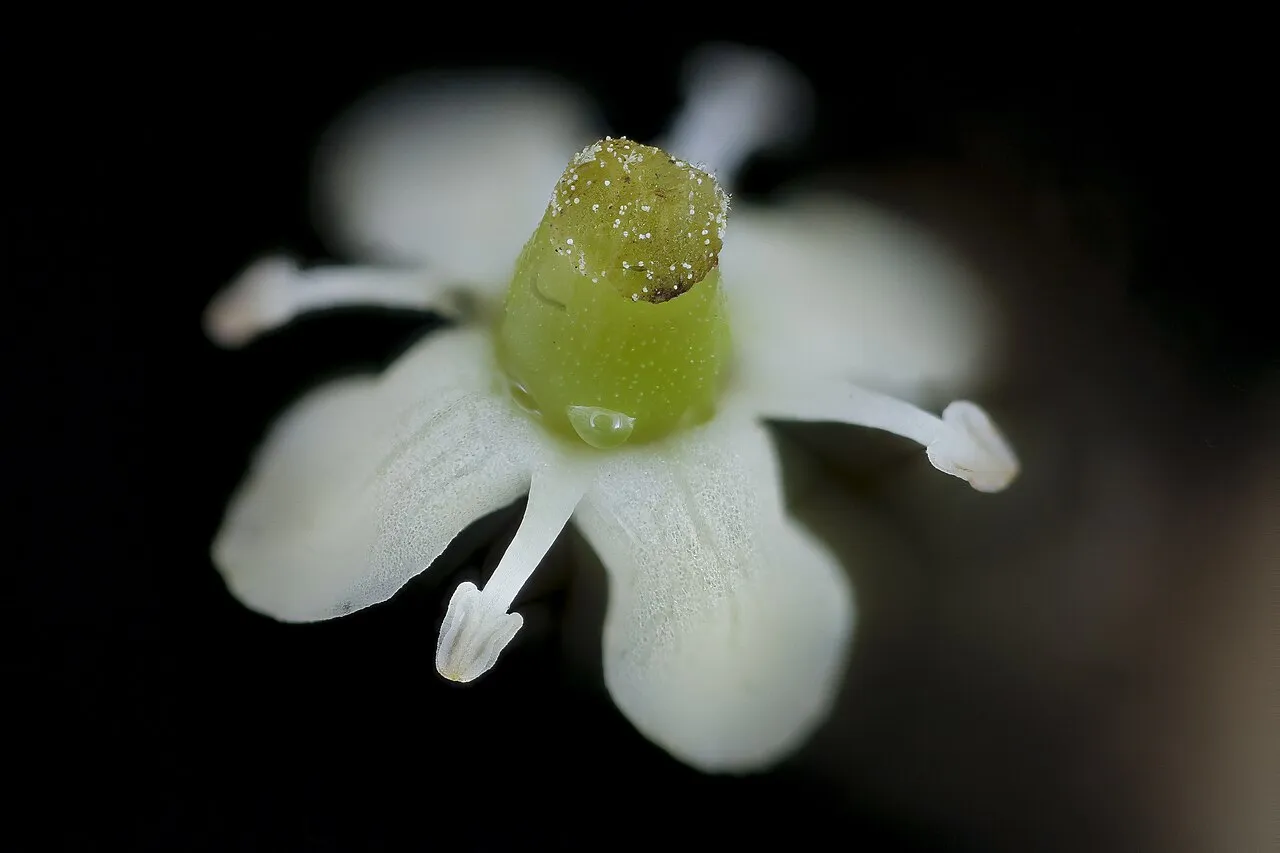
What American holly looks like
Height ranges from 25 feet to as tall as 60 in warmer parts of its range, with stout stiff branches bearing dark green, non-glossy, spine-tipped leaves and light gray bark; a shorter multi-trunked form grows in lower light 1. It blooms white-green from March to June, and bright red berries — a quarter to a third of an inch — occur on female plants 1.
What native American holly does for birds
Berries attract many bird and small mammal species, and the tree provides cover and nesting sites; it is a larval plant for Henry's Elfin butterfly 1. Evergreen structure is winter shelter, and the persistent fruit feeds robins — fruit-eaters that in winter concentrate where berry-producing trees and shrubs are common 3 — and other thrushes. All Ilex may be somewhat toxic if ingested 1.
Native range and growing conditions
Native from Virginia to northern Florida and west to southeastern Missouri and east Texas, plus coastal areas from Massachusetts to Maryland; primarily an understory tree of shaded woods and stream banks 1. It takes sun to shade and medium water in moist, well-drained, acidic soils — sandy to medium loam, not so good in clay 1.
You must have male and female plants for berries; for clay soils in humid areas the cultivar 'Savannah' is recommended 1.
Planting it for birds: native range and care
Check the native range before buying: the Wildflower Center record for this species lists the states and provinces where it occurs naturally 1, and Audubon's zip-code native plant database narrows that to your area and the bird groups each plant attracts 2. Once established, native plants generally need little maintenance and far less water than lawn, and they do not need the pesticides that make a yard poor bird habitat 2.
Native plants are those that occur naturally in the region where they evolved, and Audubon calls them the ecological basis on which birds depend: without them and the insects that co-evolved with them, local birds cannot survive 2. The scale matters — a native oak supports over 500 species of caterpillars where a ginkgo hosts five, and it takes more than 6,000 caterpillars to raise one brood of chickadees 2. Most nursery landscaping plants are alien species, so choosing natives is the single landscaping decision with the clearest effect on bird populations 2.
Birds this plant supports
More plant guides
Frequently asked questions
Is American holly native?
Yes — Ilex opaca is native to the lower 48, from Virginia to Florida and Texas plus the mid-Atlantic coast 1.
Which birds eat American holly berries?
Many bird species per the Wildflower Center; robins and other thrushes that winter on berries are typical 13.
Why does my holly have no berries?
Only female plants fruit, and they need a male nearby 1.